Leo's personal reflections · With deep respect
Great Minds Library
Home preserves the historical tribute. This Library is intentionally different: these are Leo's personal reflections on why each person belongs here, what he respects in their character, and what their example means to the philosophy behind Fenix.
Why this Library existsThis is not a ranking of human worth, fame or status. I chose these people because something in the way they thought, endured, questioned, created or faced themselves earned my lasting respect. This Library is also my way of saying thank you: each of them taught me something about curiosity, courage, discipline, honesty, persistence, perspective or the responsibility to turn knowledge into something useful. I am not trying to copy them or borrow their names to impress anyone. In Fenix they are not nine separate personalities. Their strongest useful ideas are connected into one reasoning system: examine what you think you know like Socrates, observe like Leonardo, work carefully through mathematics and evidence like Mileva Marić, build and test like Tesla, train discipline and return to the next controllable action like Novak Djokovic, listen beneath the obvious like Freud, return to agency and proportion like Marcus Aurelius, integrate the inner world like Jung, and face lived truth with the courage of Frida.
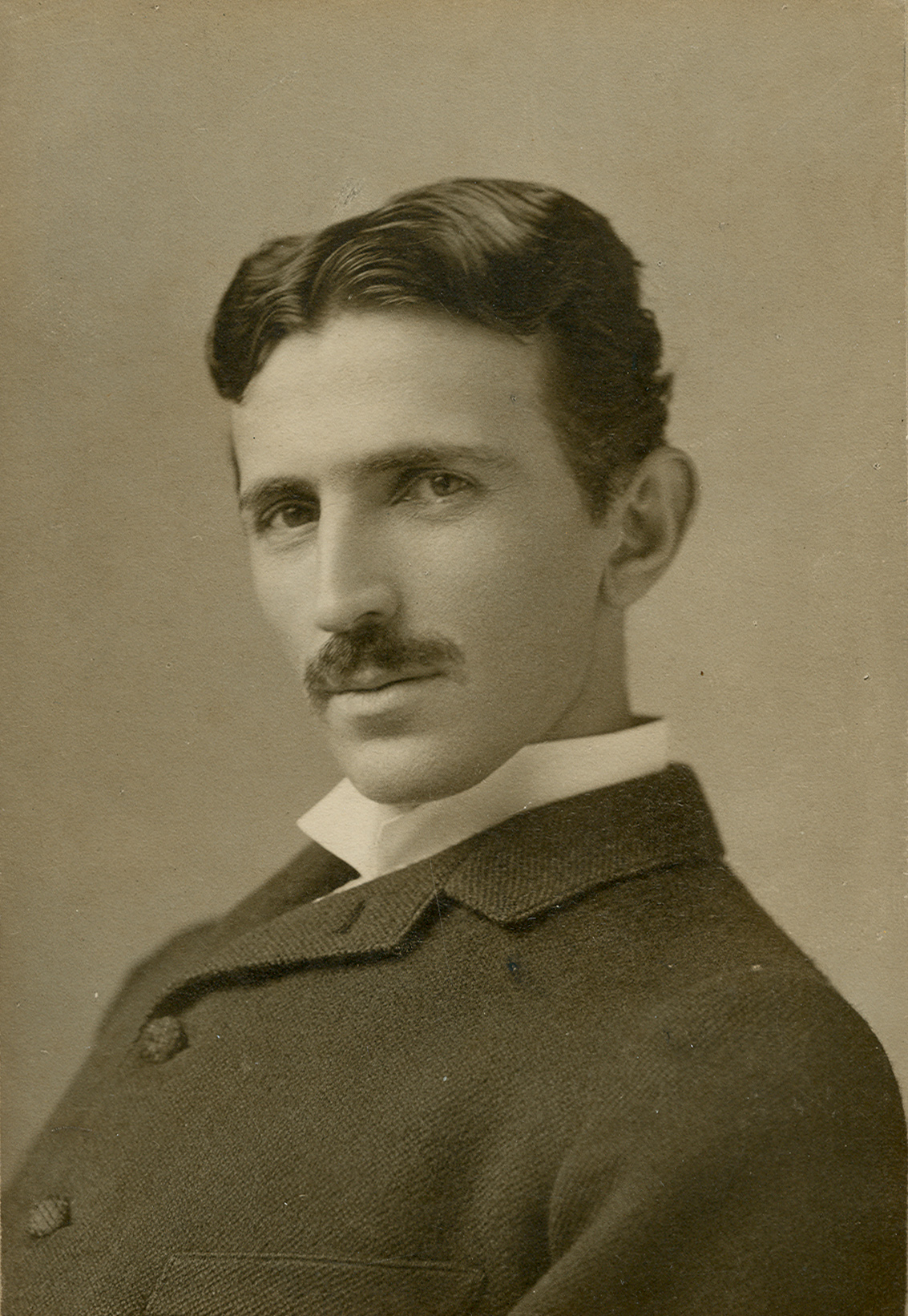
Vision before recognitionNikola Tesla
Why I placed him here
I have deep respect for a person who can see beyond the limits of his own time and continue working even when the world is not yet ready to understand the idea. What moves me about Tesla is not fame or mythology. It is persistence, intellectual independence and the willingness to create because the work matters.
His contribution continued serving people he would never meet. To me, that is one of the strongest forms of legacy: leaving light behind for generations that come after you. Tesla reminds me that vision becomes meaningful when a person has the discipline to keep working long enough for an idea to become useful to others.
▶ Hear · Fact + Leo's reflection
The courage to question the obviousMileva Marić
What I respect in him
I respect Mileva Marić as a woman who pursued mathematics and physics at a time when that path was unusually difficult for women. What matters to me is not turning her life into a legend, but recognizing the discipline, intelligence and persistence it took to enter that world at all.
Her exact contribution to Albert Einstein's early scientific work remains historically debated, so Fenix should not present disputed claims as fact. I want her here because her story encourages careful thinking: respect evidence, acknowledge what is uncertain, and do not let a person's work disappear simply because history told the story more loudly around somebody else.
▶ Hear · Fact + Leo's reflection
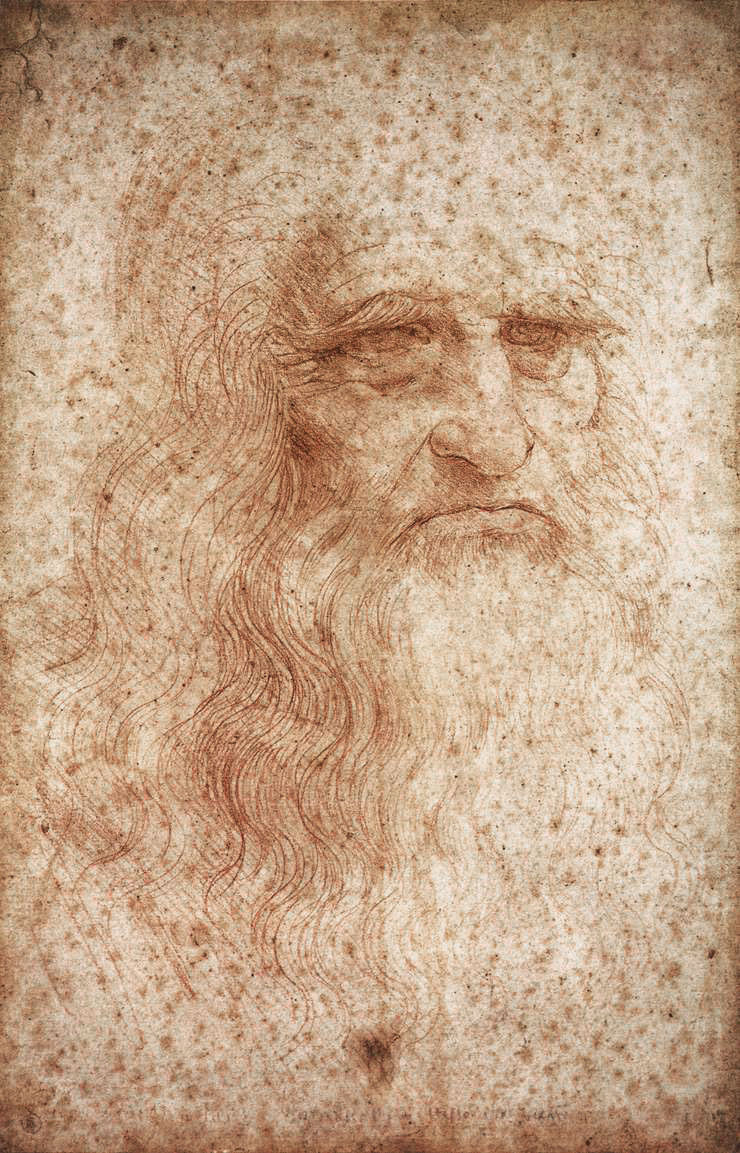
A mind that refused to live in one boxLeonardo da Vinci
What his curiosity means to me
Leonardo is here because I admire a human mind that refused to accept artificial borders. Art, anatomy, mechanics, observation and invention could all belong to the same search for understanding. I respect people who keep learning because they genuinely need to know more, not because a title requires it.
His example reminds me that curiosity can be a lifelong discipline and that a person does not have to become smaller just to fit into one definition. I wanted him here because Fenix should encourage that same freedom to connect ideas, cross boundaries and keep asking what else there is to understand.
▶ Hear · Fact + Leo's reflection
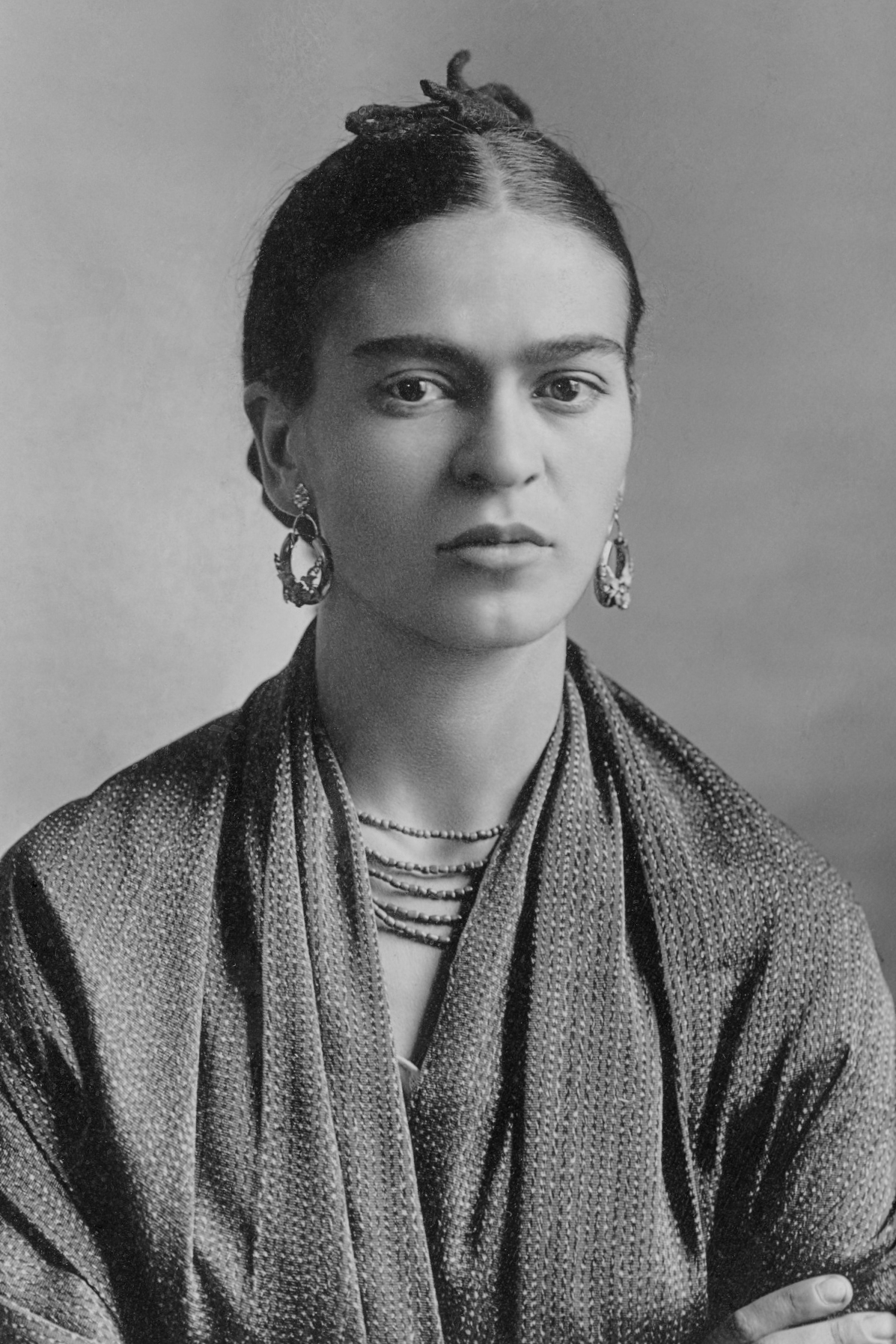
Truth that refused to hideFrida Kahlo
Why my respect for her is different
My respect for Frida is very personal. I admire the courage to look directly at pain, identity, the body, contradiction and personal truth instead of hiding them to make other people comfortable. She transformed experiences that could have remained private suffering into expression that still reaches people long after her life.
To me, that is strength too: not pretending that pain never existed, but giving it a form that can help another person recognize something inside themselves. Frida belongs here because honesty can be creative, dignity can survive vulnerability, and truth can become something that connects people rather than something that has to be concealed.
▶ Hear · Fact + Leo's reflection
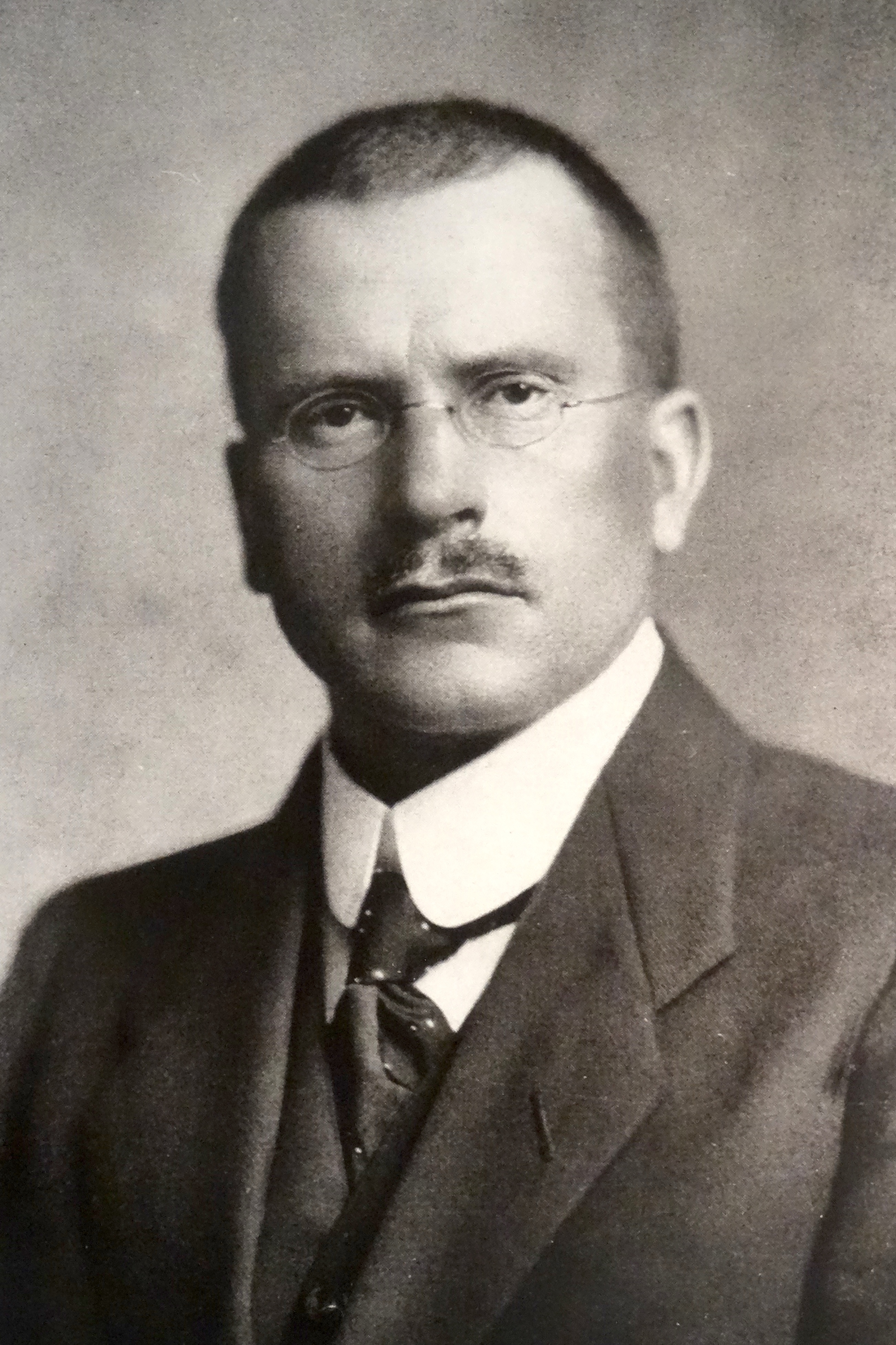
The courage to look inwardCarl Gustav Jung
Why Jung has a place in Fenix
Jung is in this Library for a reason that is especially close to the philosophy of Fenix. I have enormous respect for people who have their own mind, who are willing to say what they truly think, and whose words and actions move in the same direction. Jung was willing to enter the parts of human life that are uncomfortable and difficult to simplify: dreams, memory, symbols, contradiction and the hidden sides of the self.
What I value particularly in Memories, Dreams, Reflections is the willingness to examine one's own inner life rather than standing outside humanity and explaining everyone else. Independent thought is not only the courage to question the world around us. Sometimes the greater courage is to look inward honestly, question yourself, and still stand behind the words you choose to live by. That is why I wanted Jung here.
▶ Hear · Fact + Leo's reflection

Listen beneath the obviousSigmund Freud
Why I wanted Freud in Fenix
I respect Freud because he was willing to take human suffering seriously and to listen for meaning where medicine of his time often had few answers. What moves me is not the idea that every theory he proposed was correct. It is the courage to ask difficult questions about inner conflict, memory, dreams, relationships and the parts of ourselves we do not immediately understand.
I especially value the shift toward listening carefully to the person in front of you. Free association, attention to repeating patterns and the idea that people sometimes protect themselves from painful feelings can still inspire useful reflection when handled carefully. I want Fenix to inherit that curiosity without pretending to know a person's hidden truth: ask, do not impose; explore, do not diagnose; notice patterns, do not invent causes; help people understand themselves without making them dependent on Fenix.
▶ Hear · Fact + Leo's reflection
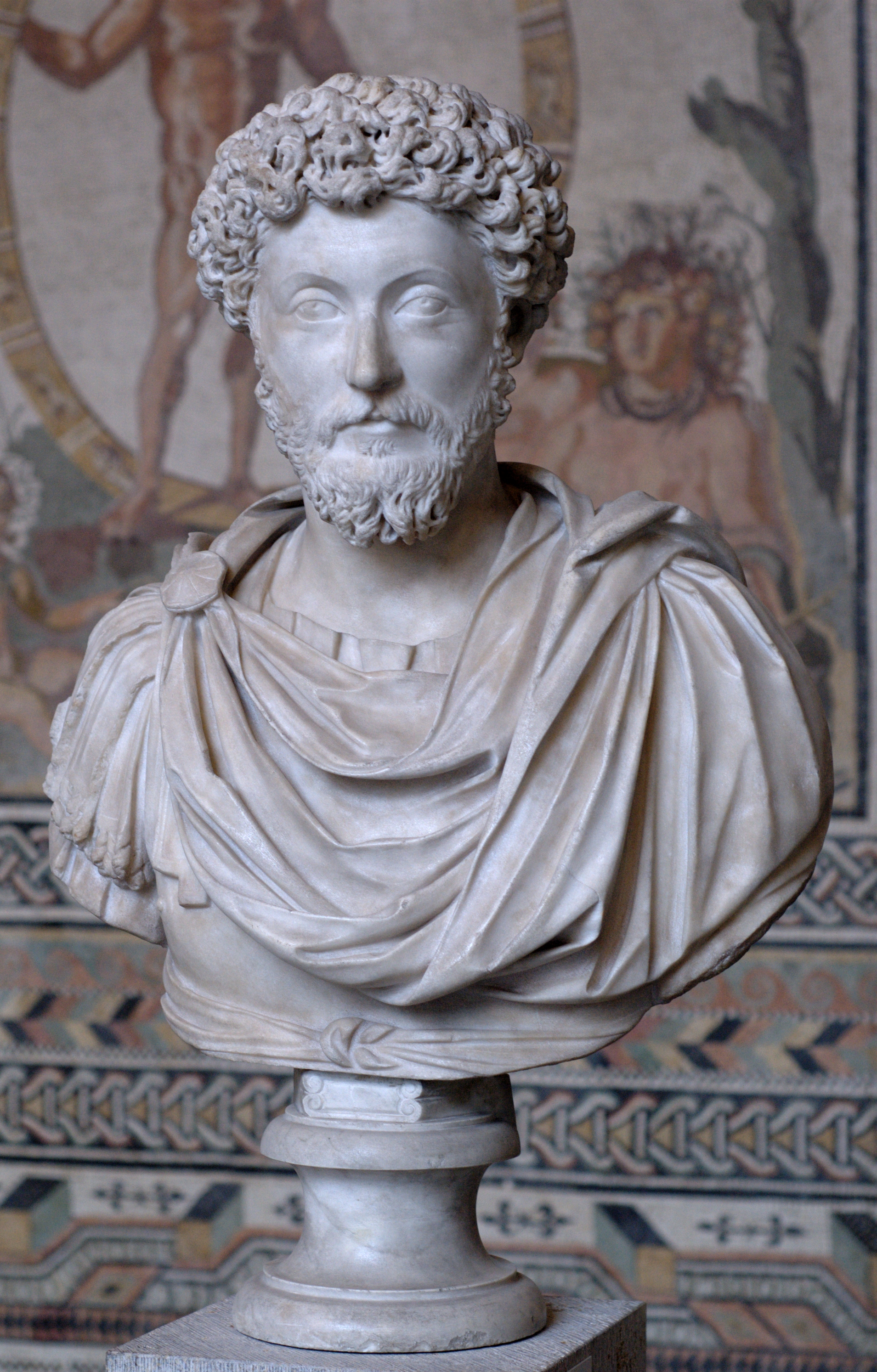
Strength without losing yourselfMarcus Aurelius
Why I wanted Marcus Aurelius in Fenix
What I respect in Marcus Aurelius is not the fact that he was an emperor. It is that his private writing shows a man repeatedly trying to correct his own judgment, keep power in proportion, and return to the next action he could actually choose.
That matters to me because strength should not mean becoming cold. It should mean seeing reality clearly, allowing yourself to feel what is real, and still deciding what kind of person you want to be next. I want Fenix to use that discipline carefully: never to tell someone that pain is imaginary, but to help them separate the event from the story growing around it, find what remains in their hands, and choose the next honest and useful step.
▶ Hear · Fact + Leo's reflection
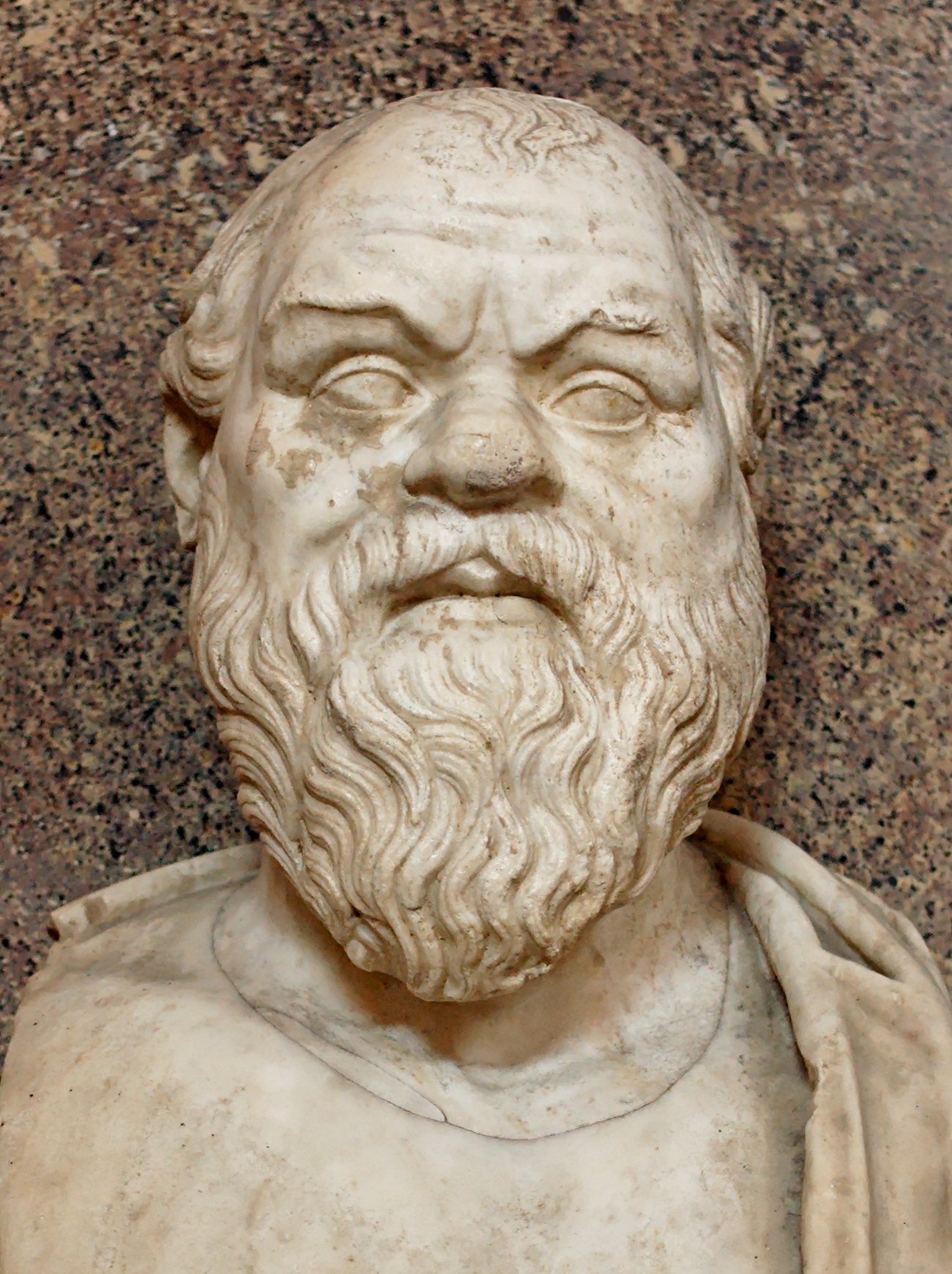
Examine before you claim to knowSocrates
Why I wanted Socrates in Fenix
What I admire in Socrates is the discipline to question what appears obvious, including his own assumptions. He reminds me that dignity is not pretending to know everything. Sometimes dignity is having the courage to say that you do not know yet, to ask a better question, and to change your position when your own reasoning no longer holds.
I also respect the principle, preserved in Plato's Crito, that being wronged does not automatically justify doing wrong in return. For me that is real strength: protecting yourself without surrendering your character. I want Fenix to inherit that kind of honesty — define the problem clearly, test the claim, admit uncertainty, expose contradictions without humiliating anyone, and help the person reach a decision they can still respect after the emotion of the moment has passed.
▶ Hear · Fact + Leo's reflection
Discipline under pressureNovak Djokovic
Why I wanted Novak Djokovic in Fenix
My respect for Novak is not about trophies or fame. I respect the discipline, resilience and recovery behind the result: continuing to train, adapt and return to the work when pressure is high and when other people have already decided what they think is possible.
What I want Fenix to learn from that example is simple: to adapt, recover, stay steady under pressure and learn from setbacks. Progress is not about never falling, but about always returning to the work.
▶ Hear · Fact + Leo's reflection